By Dolores M. Bernal, Cybersecurity Technical Writer
In today’s world of increasing cybersecurity threats, secure boot has become an essential aspect of any good cybersecurity program. Secure boot is a process that ensures that only trusted software is loaded into a device’s operating system, preventing unauthorized access and protecting the system from malicious attacks. This article will explore the importance of secure boot in a good cybersecurity program.
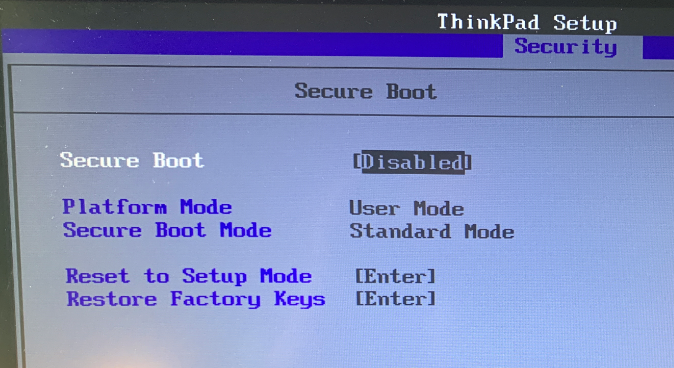
Secure boot is a critical component of a system’s security posture as it prevents attackers from injecting malicious code into the boot process. The secure boot process starts when the device is powered on, and the system checks the integrity of the firmware and operating system. The firmware checks for any unauthorized modifications or tampering, and if everything is in order, it allows the operating system to boot up. If any unauthorized changes are detected, the system will not boot, and the administrator will be alerted.
The secure boot process ensures that only trusted software is loaded into the system, thereby protecting against a wide range of attacks. Attackers often exploit vulnerabilities in the boot process to inject malware or other malicious code into the system, allowing them to gain unauthorized access or steal sensitive data. Secure boot prevents such attacks by verifying the integrity of the boot process and only allowing trusted software to load.
Secure boot also protects against rootkit attacks. A rootkit is a type of malware that is designed to evade detection by antivirus software and gain control of the system. Rootkits can be particularly dangerous as they can modify the operating system to hide their presence and allow attackers to maintain access to the system even after the malware has been detected and removed. Secure boot protects against rootkits by ensuring that only trusted software is loaded into the operating system, preventing any unauthorized modifications.
In addition to protecting against malware and rootkit attacks, secure boot also helps to protect against attacks that exploit vulnerabilities in the boot process. These types of attacks can be particularly dangerous as they can allow attackers to gain access to sensitive data or take control of the system. Secure boot ensures that the boot process is secure and that any vulnerabilities are identified and remediated before they can be exploited.
Overall, secure boot is an essential component of any good cybersecurity program. It helps to protect against a wide range of attacks, including malware, rootkits, and vulnerabilities in the boot process. By ensuring that only trusted software is loaded into the operating system, secure boot helps to prevent unauthorized access and protect sensitive data. As such, it is essential that organizations implement secure boot as part of their overall cybersecurity strategy.